Salary and Wages System of Ghana – Minimum Wages 2026
Ghana’s salary and wages system covers minimum wages, salary structures, allowances, and payroll deductions. In 2026, the National Daily Minimum Wage is GH₵21.77, while public-sector base pay under the Single Spine Salary Structure increased by 9%.
Your actual salary depends on your job, grade, allowances, deductions, employer, and employment terms. Government employees can also check their payroll and deductions through GoG e-Pay Services and ePayslip.
Ghana Salary Structure in 2026
Ghana does not have one salary amount for every worker. Pay varies by employment type, job, grade, allowances, and applicable salary structure.
How the Salary Structure Works
A salary structure provides a framework for setting pay based on job responsibilities and grades. Ghana’s public service uses the Single Spine Salary Structure for public-sector pay.
Ghana National Minimum Wage 2026
The 2026 National Daily Minimum Wage is GH₵21.77, up from GH₵19.97 in 2025. The minimum wage sets a daily minimum, while actual salaries can be higher.
2026 Daily Minimum Wage
| Year | Daily Minimum Wage |
| 2025 | GH₵19.97 |
| 2026 | GH₵21.77 |
| Increase | 9% |
The 2026 rate is GH₵1.80 higher than the 2025 rate.
When the New Minimum Wage Took Effect
The new rate took effect on January 1, 2026, and applies through December 31, 2026.
Who the Minimum Wage Applies To
The National Daily Minimum Wage sets the statutory minimum daily rate for workers covered by Ghana’s minimum-wage requirements. Employers covered by the requirement should not pay below the applicable rate.
How Ghana’s Salary Structure Works
A salary can include basic pay, allowances, and other earnings. The amount you receive after deductions can therefore differ from your gross salary.
Basic Salary and Allowances
Basic salary is the main salary component, while allowances may be added based on the employee’s job and employment conditions.
Salary Grades and Pay Points
Public-sector jobs are placed on salary grades and pay points based on job evaluation and related factors. Your grade and pay point can affect your basic salary.
Public Sector vs Private Sector Salaries
Public-sector salaries may follow government salary structures and negotiated adjustments. Private-sector salaries generally depend on the employer, industry, and employment agreement.
Salary and Wage Deductions in Ghana
Gross salary is not always the amount deposited into your bank account. Payroll deductions can include SSNIT, PAYE, and other authorised deductions.
SSNIT Contributions
The employee SSNIT contribution is 5.5% of basic salary, while the employer contributes an additional 13%.
Income Tax and PAYE
PAYE is income tax deducted from an employee’s earnings by the employer. The amount depends on chargeable income and applicable tax bands.
Health Insurance and Other Deductions
Other deductions may include pension payments, union dues, loan repayments, insurance, or authorised third-party deductions.
Net Salary After Deductions
Net salary is the amount left after applicable deductions are taken from gross earnings.
Gross earnings − deductions = net salary
How Salaries and Wages Increase in Ghana
Salary increases can come from annual adjustments, collective bargaining, promotions, grade changes, or employment agreements.
Annual Salary Adjustments
For 2026, public-sector base pay under the Single Spine Salary Structure increased by 9%.
Collective Bargaining
Government and organised labour can negotiate changes to wages and other employment conditions through collective bargaining.
Single Spine Pay Adjustments
The Single Spine Salary Structure provides a framework for public-sector pay. The 2026 adjustment increased the applicable base pay by 9%.
Cost of Living and Economic Conditions
Cost of living, economic conditions, business sustainability, and employment can influence wage discussions and adjustments.
How Employees Receive Their Monthly Salary
Government employees receive salaries through the government payroll system. Payroll processing covers salary calculations, deductions, and payment arrangements.
Payroll Processing
CAGD processes monthly salaries for active government employees and manages related payroll deductions.
Bank Salary Payments
After payroll processing, salaries are paid through registered payment arrangements. If payment is delayed, check your bank and payslip details first.
Checking Salary Details on ePayslip
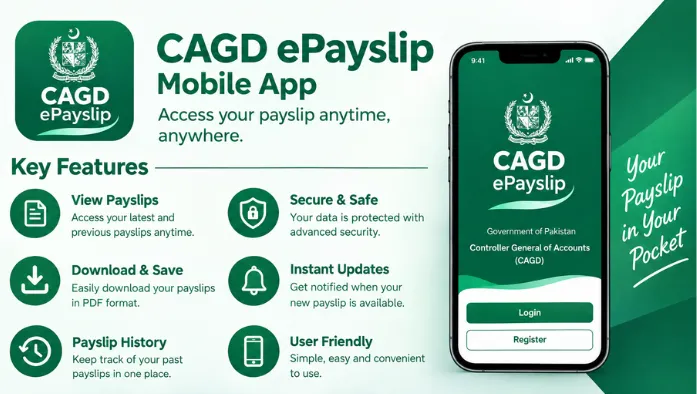
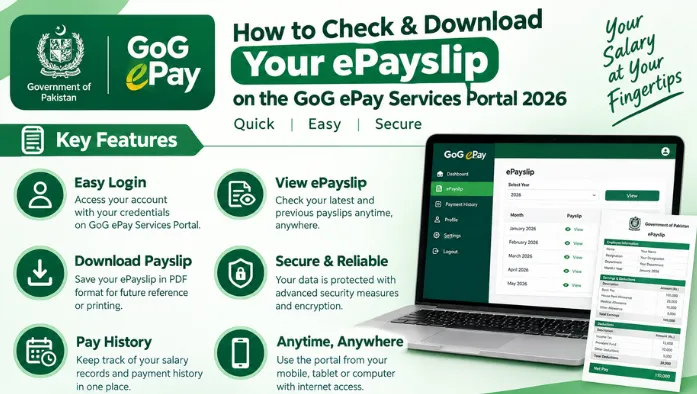
An ePayslip allows government employees to review salary information, deductions, and other payroll details for a particular pay period.
Role of GoG ePay Services and ePayslip
GoG e-Pay Services provides government employees with access to electronic payslip services. CAGD lists e-Pay Services among its government e-services.
View Salary and Payroll Details
Your ePayslip shows salary information recorded for a selected pay period. You can compare these details with the amount credited to your bank account.
Check Deductions on Your Payslip
Your payslip can show deductions such as PAYE, SSNIT, and other authorised payroll deductions.
Download and Keep Your ePayslip
Keeping copies of your ePayslips helps you maintain salary records and review previous payroll information when needed.
FAQs
Conclusion
Ghana’s 2026 wage system includes a GH₵21.77 National Daily Minimum Wage and a 9% public-sector base-pay increase under the Single Spine Salary Structure.
Your take-home salary depends on your basic pay, allowances, tax, SSNIT, and other applicable deductions. Government employees can use ePayslip to keep track of their salary and payroll records.